Imagine feeling a sharp twinge every time you sip a cold drink or brush near the gumline. It’s easy to ignore that sensation at first—but when the pain doesn’t fade, it could be a sign of deeper trouble. One of the common hidden problems many people face is tooth decay at root, and understanding it fully can mean the difference between saving your natural smile and needing more involved treatment later on.
This friendly, in-depth guide explains what root decay really is, what causes it, how it’s treated, how to prevent it, and where you can find world-class care right here in Saudi Arabia—including trusted clinics like Tam Dental in Jeddah.
What Is Tooth Decay at Root?
The Basics of Root Decay
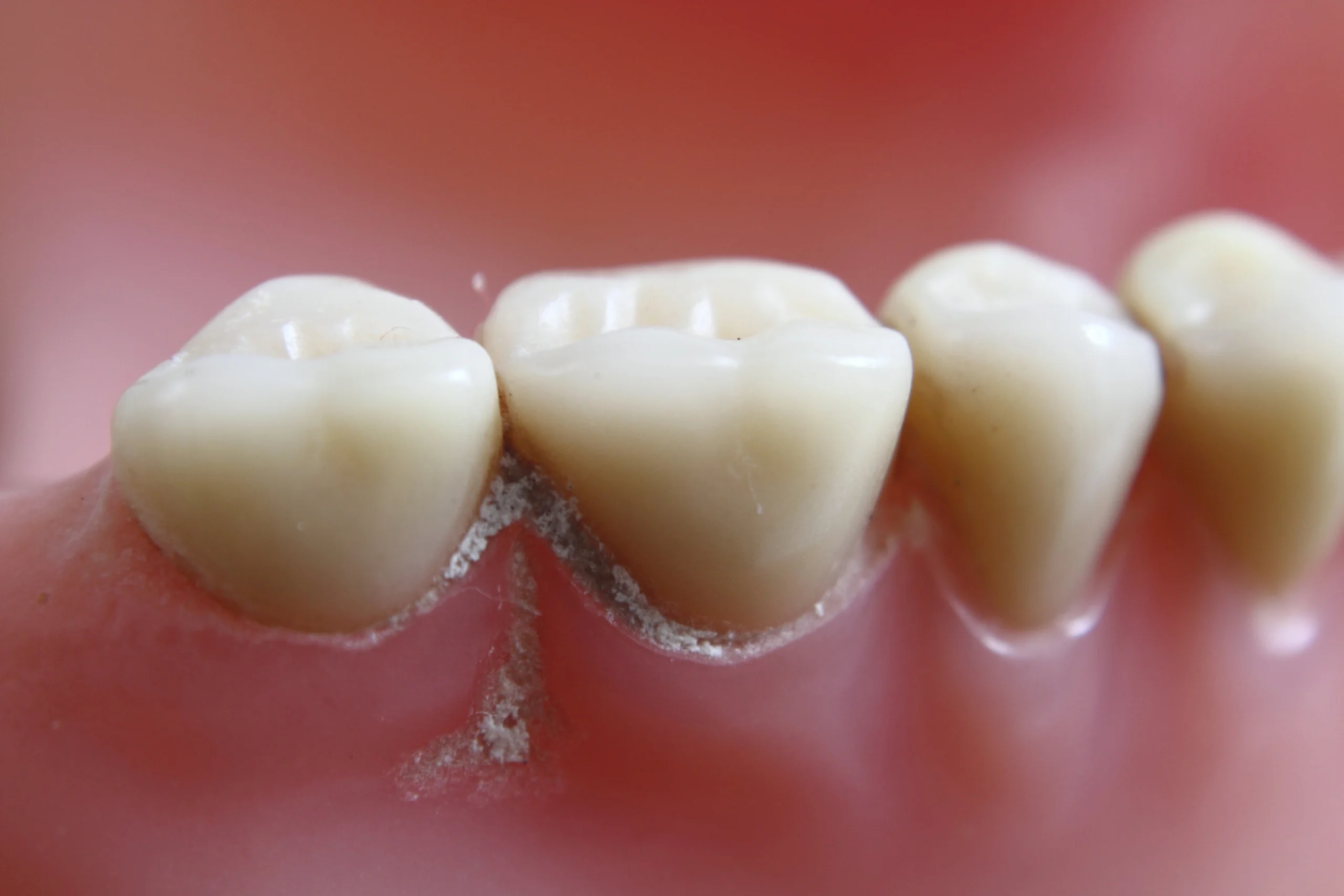
Most people picture cavities on the chewing surfaces of teeth. But tooth decay at root happens lower down, near the root of the tooth, where there is no protective tooth enamel. Instead, that area consists of softer tissues that bacteria can attack more easily once they become exposed. Root decay is also called root caries or root cavities when decay forms on the root.
Why It’s Different from Normal Decay
The enamel that protects the crown of a tooth does not cover the roots. That means when gums pull away (a condition known as gum recession), the root is suddenly vulnerable. Without enamel, bacteria and acids can eat away more quickly, leading to deeper problems if ignored.
What Causes Root Decay?
- Gum Recession and Gum Disease
The biggest trigger for decay at the root is gum recession—the process where the gums pull back from the tooth surface. This is often linked to gum disease or periodontal disease. Once the roots are exposed, they lose protection and become easy targets for decay. - Poor Oral Health Habits
Not brushing properly or skipping regular cleaning allows plaque to build up at the gumline, creating an ideal environment for bacteria to thrive right where the root is exposed. - Dry Mouth and Medications
Saliva naturally helps wash away plaque and neutralize acids. Certain medications or conditions can reduce saliva flow, leaving teeth more vulnerable to decay. - Age and Other Health Factors
Older adults tend to have more gum recession and long-term plaque buildup. But young people aren’t immune—if their gums recede or if their oral hygiene isn’t good, root decay can start early.
Recognizing the Signs
Early Clues
In its beginning, tooth decay root canal treatment in Saudi Arabia often begins with sensitivity near the gumline. This sensitivity to hot or cold isn’t always dramatic at first, but it’s a warning.
Progression and Symptoms
As decay worsens, common signs include:
- Sharp or persistent tooth pain
- Visible dark spots near the gumline
- Tender or swollen gums
- Bad breath that won’t go away
Some people assume these symptoms are just “normal aging”—but caught early, root decay can be treated without major procedures.
Diagnosing Tooth Decay at Root
Clinical Exams
During a dental exam, professionals check gums and exposed roots carefully, using gentle probes to detect soft spots where decay could be hiding.
X-Rays and Imaging
Because root decay often hides below the gumline, dental X-rays are a key part of diagnosing the issue. These images help dentists see how deep the decay is and whether it has reached the inner structures of the tooth.
Step-by-Step Treatment Approaches
Non-Invasive Early Care
When root decay is caught early, dentists might recommend enhanced fluoride treatments, stronger home care (like special toothpaste), and closer monitoring. These approaches aim at strengthening weakened root areas before major damage sets in.
Restorations with Tooth-Colored Fillings
If decay has etched into the tooth but hasn’t reached the inner pulp, the dentist will remove the decayed tissue and fill it. Today’s tooth colored filling materials look natural and preserve your smile’s appearance.
Root Canal Therapy
When decay reaches the inside of the tooth (the pulp), root canal therapy becomes essential. During this procedure, the dentist removes infected tissue, cleans the canals, and seals the tooth. Despite its reputation, modern root canals are generally comfortable and highly effective when done by skilled professionals.
Extraction and Replacement (When Necessary)
In advanced or neglected cases, the tooth might not be salvageable. Then, extraction and replacement options—like implants—are considered. But preserving the natural tooth is always the preferred outcome when possible.
Root Canal Treatment in Saudi Arabia
What to Expect
Patients in Saudi Arabia have access to a range of dental care options, and many clinics provide state-of-the-art root canal procedures and root canal therapy that follow global standards similar to those recommended by organizations like the World Health Organization.
Root Canal Treatment Cost in Jeddah
The root canal treatment cost in Jeddah can vary based on the tooth involved, complexity of the case, and the clinic chosen. Generally, molars cost more than front teeth due to their anatomy. It’s always best to consult with a reputable clinic for an accurate price tailored to your needs.
How to Prevent Root Decay
Maintain Good Oral Hygiene
Brushing with fluoride toothpaste twice daily and flossing helps remove bacterial plaque from near the gumline before it can cause damage.
Regular Dental Visits
Routine checkups help catch gum recession and early signs of root decay, long before you feel pain.
Treat Gum Disease Early
Addressing issues like gingivitis before they progress protects gums and keeps roots covered and safe.
Healthy Diet and Lifestyle
Cutting back on sugary snacks, staying hydrated, and avoiding tobacco can make a big difference in keeping bacterial acids under control.
How Tam Dental in Jeddah Can Help
For anyone dealing with root decay, choosing the right dental clinic matters. Tam Dental is a luxury dental clinic based in Jeddah, Saudi Arabia, staffed by highly trained professionals who speak English and Arabic, and who hold certificates from world-renowned universities. They offer a full range of services that help protect and restore oral health—including expert root canal treatments performed with the latest technology and global best practices.
A Team You Can Trust
Tam Dental’s team includes specialists in multiple fields of dentistry, from root canals to cosmetic and preventive care, using advanced equipment to ensure quality outcomes. Their approach emphasizes transparency, patient education, and comfort—so you understand your care every step of the way.
Services That Support Root Health
At Tam Dental, services span routine cleanings and checkups to complex procedures like root canal treatments designed to preserve your natural tooth whenever possible. Their multi-lingual staff and globally trained clinicians make it easier for both locals and expatriates to receive world-class care without language barriers or confusion.
Convenient and Comfortable
Located in the Ash Shati district of Jeddah, Tam Dental offers patient-focused care with modern facilities, easy appointment booking (including online), and patient comfort as a priority.
Root Decay: Long-Term Outlook and Success
When tooth decay at root is caught early and treated promptly, the outlook is good. With proper care and regular follow-ups, many patients maintain their natural teeth for years to come. Procedures like root canal therapy, when done according to international standards, have shown excellent success rates and can relieve pain and stop infection.
Final Thoughts
Tooth decay at root is a common yet often overlooked dental issue. It develops silently, progressing faster once the root is exposed. But with good oral hygiene, regular dental checkups, and access to experienced dentists whether in clinics across Saudi Arabia or at trusted centers like Tam Dental in Jeddah it’s entirely manageable.
Protecting roots means protecting your smile and with the right information and care, long-term oral health isn’t just possible, it’s achievable.
FAQs
Can root cavities heal on their own?
No—once decay begins at the root, professional care is needed to stop it. Early detection may allow preventive steps, but it won’t reverse on its own.
Does having root decay mean I’ll definitely need a root canal?
Not always. If caught very early, simple restorations or preventive treatments may suffice. But advanced decay often requires root canal therapy.
Is root canal treatment painful?
Today’s procedures are generally comfortable, with modern anesthesia and techniques that minimize discomfort.
How can I prevent root decay?
Good brushing, flossing daily, and regular dental checkups are key. Also address gum disease promptly to avoid exposing the root.
Where can I get trusted root canal treatment in Jeddah?
Clinics like Tam Dental offer comprehensive care, globally-trained specialists, and modern technology to treat root decay effectively.