Most dental problems are preventable. That is not a marketing claim — it is the consensus of the Saudi Ministry of Health, the American Dental Association, and essentially every major dental authority. Cavities, gum disease, and tooth loss are not inevitable. They are the result of things that can be managed: plaque, diet, brushing habits, and whether you actually see a dentist before something hurts.
For residents and expats in Jeddah, access to high-quality dental care is genuinely good. The challenge is not access — it is known what preventive dental care actually involves, which services are worth getting, and what you should be doing at home between appointments.
This article covers all of it: the daily habits that matter, the professional treatments that add real protection, and the specific risk factors worth knowing about if you live in Saudi Arabia.
What Is Preventive Dental Care?
Preventive dental care is any action taken to protect your teeth and gums before problems develop. It is the combination of what you do at home daily and what happens at the dental clinic every six months. Neither is enough without the other.
At the clinical level, preventive care typically includes professional cleaning (scaling and prophylaxis), diagnostic X-rays, periodontal evaluation for gum disease, fluoride treatment for adults where indicated, and dental sealants for patients whose back teeth have deep grooves. At home, it means consistent brushing, flossing, and dietary awareness.
The payoff is straightforward: treating a cavity costs significantly more in time, money, and discomfort than preventing one. A filling for a single tooth in Jeddah might run several hundred SAR. A professional cleaning two to three times a year costs a fraction of that. And gum disease — the leading cause of tooth loss in adults — is almost entirely preventable with the right habits.
How to Prevent Gum Disease
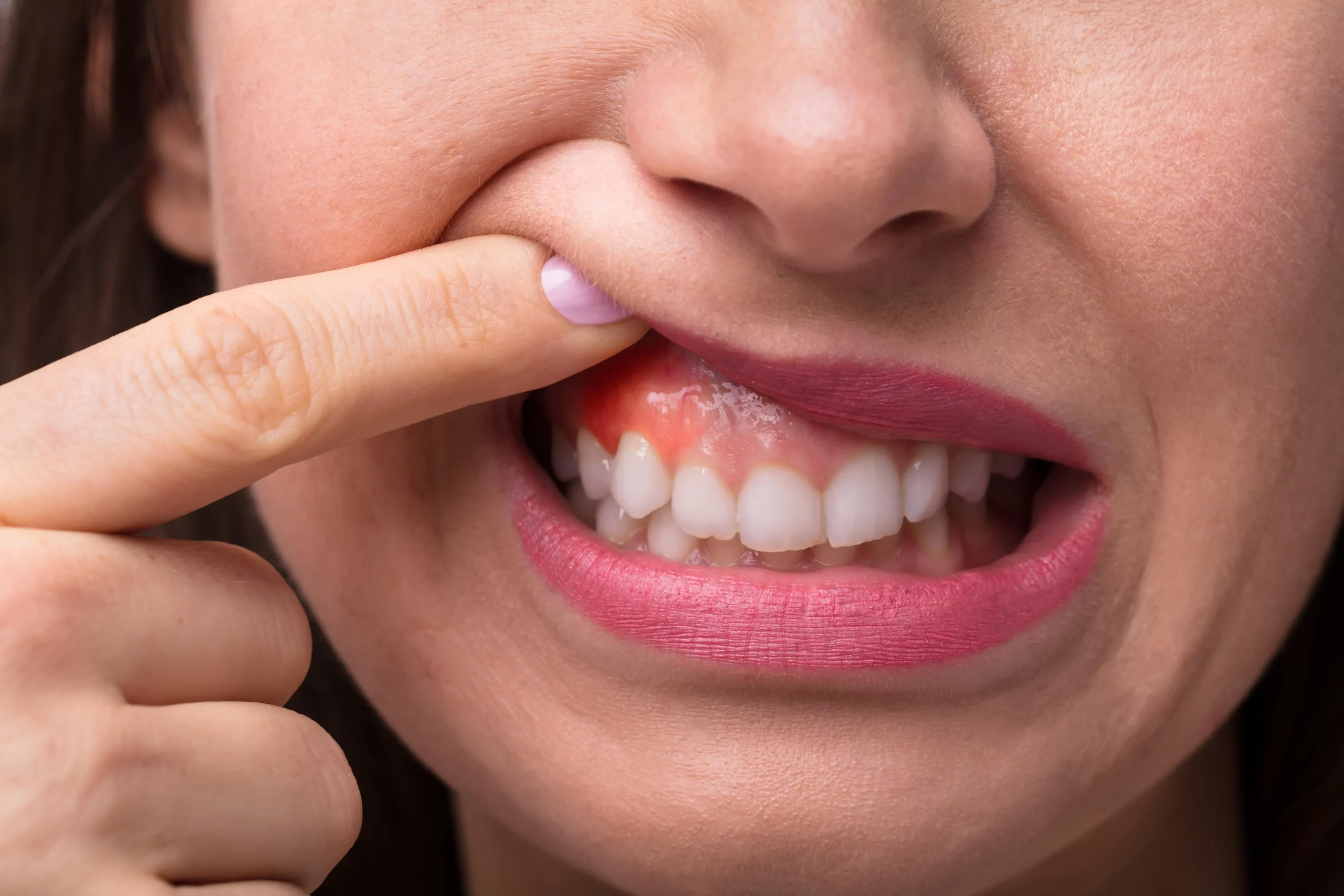
Periodontal disease is often described as a silent condition, which is what makes it dangerous. By the time most people notice something is wrong — gum bleeding during brushing, persistent bad breath, or teeth that look longer than they used to — the disease has usually been progressing for months or years.
Gum disease begins as gingivitis: inflammation at the gum line caused by bacterial plaque. At this stage, it is fully reversible. Left untreated, it advances to periodontitis, where bacteria travel below the gum line and start destroying the bone that holds teeth in place. The bone loss from periodontitis cannot be recovered — it can only be slowed or stopped.
The standard approach to preventing gum disease in Jeddah is the same as anywhere:
Brush properly, twice a day. The technique matters more than the effort. Hold the brush at a 45-degree angle toward the gum line, use gentle circular motions, and spend at least two minutes covering all surfaces. A soft-bristled brush is non-negotiable — medium and hard bristles damage both enamel and gum tissue over time.
Floss daily. This is where most people fall short. A toothbrush cannot clean the spaces between teeth — that is just the physics of it. Flossing once a day removes the plaque that causes gum disease in exactly the areas that brushing misses.
See a periodontist or general dentist for regular cleanings. Even with excellent home care, tartar (calcified plaque) builds up in areas the toothbrush cannot reach. Professional scaling removes it before it triggers the inflammatory cycle that leads to gum disease.
Quit smoking if you do. Tobacco is one of the strongest risk factors for periodontal disease. Smokers develop gum disease more frequently, more severely, and respond less well to treatment.
Manage diabetes carefully. If you have diabetes and it is poorly controlled, your risk of gum disease is significantly elevated — and the relationship works both ways, with gum disease making blood sugar harder to manage. This is worth discussing specifically with your dentist in Jeddah.
If your gums bleed when you brush, do not interpret that as a reason to brush more gently. Bleeding gums are a sign of inflammation — the kind that gets worse if plaque is not removed. Keep brushing, floss carefully, and book an appointment.
Sensitive Teeth Causes: What’s Actually Behind That Sharp Pain
Tooth sensitivity is one of the most common reasons people visit a dental clinic in Jeddah. Understanding what is actually causing it helps you and your dentist choose the right response.
Enamel erosion is the most common underlying cause. The outer layer of each tooth (enamel) can wear down from acidic foods and drinks, aggressive brushing, or teeth grinding. Once enamel is gone, it does not grow back. The dentin layer beneath it contains microscopic tubes leading directly to the nerve — which is why cold water, citrus, or even cold air can cause that sharp, shooting pain.
Gum recession exposes the root surface of the tooth, which has no enamel protection at all. Root surfaces are immediately sensitive to temperature changes, sweet foods, and pressure. Gum recession can come from periodontal disease, brushing too hard, or genetics.
Tooth decay (cavities) can produce sensitivity that feels similar to dentin hypersensitivity but is typically more localized and worsens over time rather than staying stable.
Teeth grinding (bruxism) is particularly relevant in a city like Jeddah, where many people experience high-stress work schedules. Grinding erodes enamel from the biting surfaces and can cause widespread sensitivity that is otherwise hard to explain.
Recent dental procedures — whitening, fillings, deep cleanings — commonly cause a few days of temporary sensitivity that resolves on its own.
What sensitive teeth are not, in most cases, is a simple problem with a toothpaste solution. Desensitizing toothpastes can manage symptoms for mild cases, but they do not fix the underlying cause. If sensitivity is new, worsening, or localized to one tooth, a proper diagnosis is the starting point.
Fluoride Treatment for Adults: Not Just for Children
There is a persistent belief that fluoride treatments are something children need and adults do not. This is wrong, and the evidence for fluoride’s benefits in adult patients is well-established.
Fluoride works by making enamel more resistant to acid attacks and by helping to reverse early-stage tooth decay through a process called remineralization. Every day, enamel loses minerals when exposed to acids produced by plaque bacteria. Fluoride helps replenish those minerals before the damage becomes a cavity.
Adults who benefit most from professional fluoride treatment in Jeddah include:
Anyone with a history of cavities. If you have had multiple fillings, your enamel is more vulnerable than average. Fluoride varnish applied at each dental visit adds a meaningful layer of protection between appointments.
Adults with dental crowns, bridges, or braces. The margins where restorations meet natural tooth enamel are particularly vulnerable to decay. Fluoride treatment protects these edges.
People with dry mouth. Dozens of common medications — antihistamines, blood pressure medications, antidepressants — reduce saliva flow. Saliva is the mouth’s natural defense against decay; without it, plaque bacteria are unchecked. Fluoride treatment compensates for some of this lost protection.
Anyone who drinks mostly bottled water. Fluoridated tap water provides ongoing low-level fluoride exposure. People in Jeddah who rely primarily on bottled water miss this, which is worth discussing with your dentist.
In-office fluoride treatment takes less than five minutes. The dentist or hygienist applies a varnish, gel, or foam directly to the teeth. Patients are asked not to eat or drink for 30 minutes afterward to allow the fluoride to absorb. The concentration used clinically is significantly higher than what is in toothpaste, which is why it has a different effect.
Dental Sealants for Adults: A Prevention Strategy Most People Ignore
Dental sealants are most commonly associated with children, and the majority of research on them focuses on pediatric patients. But adults can benefit from sealants too — the question is whether the right conditions are present.
A dental sealant is a thin resin coating painted onto the chewing surfaces of back teeth (molars and premolars). These surfaces have deep grooves and pits where food and bacteria collect. The grooves are often too narrow to clean effectively with a toothbrush, which makes them the site of roughly 9 in 10 cavities that occur on the back teeth.
For adults in Jeddah who have:
- Back teeth with deep grooves that have not yet developed cavities or fillings
- A personal or family history of significant tooth decay
- Dry mouth from medications
- Worn enamel from grinding or acidic diet
…sealants are worth discussing at your next appointment. They prevent roughly 80% of cavities in back teeth over the first two years after application, and continue providing meaningful protection for up to a decade with proper care.
The procedure is quick and entirely comfortable — no drilling, no anesthesia, no recovery time. The dentist cleans and dries the tooth, applies a mild acid solution to help the sealant bond, rinses, dries, applies the sealant liquid, and cures it with a light. Total time per tooth is a few minutes.
The main limitation: sealants cannot be placed on teeth that already have decay or existing fillings. They are preventive only, not restorative.
Teeth Whitening: Where It Fits in Preventive Care
Teeth whitening is technically a cosmetic procedure, not a preventive one — but it belongs in this discussion because of how often it triggers questions about sensitivity, and because it interacts with preventive dental care in ways patients should understand.
Professional teeth whitening in Jeddah uses hydrogen peroxide or carbamide peroxide gels at concentrations not available in over-the-counter products. The bleaching agents work by breaking apart the stain molecules trapped in the pores of tooth enamel. They do not physically remove tooth structure or change the color of existing crowns, veneers, or fillings.
Before whitening, your dentist should check that your gums are healthy, cavities are treated, and there are no other issues that would be worsened by the procedure. Whitening on teeth with untreated decay or active gum disease is not appropriate.
Sensitivity after whitening is common and usually temporary. For patients who already experience tooth sensitivity, the peroxide concentration and exposure time can be adjusted. Desensitizing treatment before and after the whitening session can also reduce discomfort.
The Saudi Ministry of Health notes that the results of teeth whitening vary from person to person based on the current color and condition of the enamel, and that certain conditions — including crowns or veneers on front teeth, and severe discoloration from medications — may mean whitening has limited effect or is not appropriate.
For Jeddah residents considering whitening, professional treatment at a dental clinic in Jeddah gives more predictable results and better gum protection than over-the-counter strips or trays bought online.
Dental Care Prevention Tips for Life in Jeddah
A few practical points that apply specifically to residents of Jeddah and Saudi Arabia more broadly:
The local diet creates specific acid exposure risks. Tamarind juices, lemon-infused water drunk throughout the day, citrus fruits, carbonated soft drinks, and vinegar-heavy dishes are all common. These are healthy foods in many respects, but they create ongoing acid exposure that erodes enamel over time. The answer is not to avoid them entirely, but to drink water after consuming them and to wait 30 minutes before brushing (enamel is temporarily softened by acid and more vulnerable immediately after eating).
Ramadan creates predictable oral health challenges. Extended fasting followed by meals that often include dates, juices, and sweet items means the mouth spends long periods without saliva to neutralize acids. Brushing before Suhoor and after Iftar, staying hydrated, and rinsing with water after sweet foods all help manage this.
Bottled water is the norm for many residents. If you are not getting fluoride from tap water and do not use fluoride toothpaste consistently, your enamel protection is lower than it could be. Use fluoride toothpaste every day, and discuss fluoride varnish with your dentist.
Dental insurance coverage for expats varies significantly. Many corporate insurance plans in Saudi Arabia cover preventive dental care at 100% — cleanings, X-rays, and basic examinations. Knowing what your plan covers before you have a problem saves money and removes a reason to delay appointments.
Oral Cancer Screening: Often Overlooked, Always Included in Good Preventive Care
A comprehensive dental examination includes screening for oral cancer — checking the tongue, floor of the mouth, inner cheeks, and throat for abnormal tissue. This takes about a minute and requires no special equipment. Early-stage oral cancer is highly treatable; late-stage oral cancer is not. Regular dental visits in Jeddah create natural checkpoints for this kind of early detection.
Tobacco use (including shisha, which carries the same risks as cigarettes for oral health) and heavy alcohol consumption are the main risk factors. HPV infection is another.
Why Specialist-Level Preventive Care Matters
General preventive care — cleanings, fluoride, sealants — is handled at the general dentistry level. But when a patient presents with gum disease, significant sensitivity, or risk factors that require monitoring, the quality of preventive care goes up when there is specialist input.
At Tam Dental, the team includes consultants who hold credentials from institutions where preventive and specialty dental care are closely tied:
Dr. Hani Mawardi, trained at Harvard University, specializes in periodontics and oral medicine — the specialty that manages gum disease, its prevention, and the conditions that make patients more vulnerable to it. For patients with diabetes, smoking history, or a family history of gum disease, having a periodontist assess risk and structure a prevention plan makes a material difference.
Dr. Amal Jamjoom, a periodontist and implant specialist trained at the State University of New York at Buffalo, brings the same level of specialty expertise to the gum health side of preventive care.
For patients whose preventive needs overlap with restorative care — worn enamel, existing crowns or bridges needing protection, or sensitivity requiring assessment — consultants in prosthodontics and restorative dentistry work alongside the preventive team.
The result for patients in Jeddah is access to preventive care that does not stop at cleaning and advice, but connects to the specialty expertise needed when prevention is more complicated than a standard protocol.
What to Expect at a Preventive Care Appointment
For new patients at a dental clinic in Jeddah, a comprehensive preventive visit includes:
A full examination of teeth, gums, and soft tissue. Pockets around each tooth are measured with a periodontal probe to assess gum health — this is routine, not a sign that something is wrong.
Diagnostic X-rays (typically bitewing X-rays for adults without recent imaging). These detect decay between teeth and bone levels around the roots, both of which are invisible to clinical examination alone.
Professional scaling and polishing to remove tartar and surface stains. This is not the same as teeth whitening — scaling removes mineral deposits that brushing cannot, while polishing removes surface plaque and leaves the tooth surface smoother.
Fluoride treatment where indicated, applied in two to three minutes after cleaning.
A personalized discussion of what the examination found, what to watch for, and any recommended follow-up. Good preventive dentists in Jeddah explain findings rather than just listing them.
What to bring: valid ID or iqama, dental insurance card, a list of current medications (relevant for dry mouth and other interactions), and any previous dental X-rays if you have them.
Book Your Preventive Care Appointment at Tam Dental, Jeddah
Preventive dental care is not a single visit — it is an ongoing relationship with a clinic that knows your oral health history. If you have not had a check-up in more than six months, that is the place to start.
Tam Dental — Jeddah
- Ash Shati District, Sari St. Branch — Jeddah 23415, Saudi Arabia
- King Abdul Aziz Rd, Ash Shati — Jeddah 23412, Saudi Arabia
- +966 920033363
- info@tamdental.sa
- tamdental.sa/en/contact-us/
Frequently Asked Questions
How do I prevent gum disease if I already have some signs of it?
Early-stage gum disease (gingivitis) is reversible with professional cleaning and improved home care. If you have bleeding gums, swollen tissue, or persistent bad breath, see a dentist soon. A periodontist can assess how advanced the inflammation is and design a treatment plan. For most people in early stages, professional cleaning plus consistent brushing and flossing is enough to reverse the condition.
Do adults really need fluoride treatment at the dental clinic in Jeddah?
Yes, particularly if you drink mostly bottled water (missing fluoridated tap water), have a history of cavities, experience dry mouth from medications, or have crowns and bridges. Fluoride varnish applied at each dental visit costs very little additional time and reduces cavity risk by reinforcing enamel between appointments.
Are dental sealants for adults worth it?
For the right candidate — back teeth with deep grooves and no existing fillings or decay — yes. Sealants prevent up to 80% of cavities in the back teeth over the first two years, cost significantly less than a filling, and the procedure is painless. Ask your dentist whether your teeth are suitable candidates
What are the main sensitive teeth causes I should address first?
Enamel erosion from acidic foods and drinks, and gum recession from aggressive brushing, are the two most common and most modifiable causes. Switching to a soft-bristled brush, reducing daily acidic drink exposure, and using fluoride toothpaste addresses both. If sensitivity is tied to bruxism (grinding), a night guard is the right next step. See a dentist to identify which factor is driving it.
How is professional teeth whitening in Jeddah different from at-home kits?
Professional whitening uses higher-concentration bleaching agents applied under controlled conditions, with gum protection in place. The results are faster, more even, and supervised by a dentist who can adjust the protocol for sensitive teeth. Over-the-counter kits use lower concentrations and provide no customization, which can lead to uneven whitening, gum irritation, and extended sensitivity.
Sources
- Saudi Ministry of Health — Oral Health & Teeth Whitening Guidance
- Saudi Ministry of Health — Home Preventive Dental Care Visits Protocol
- الهيئة السعودية للتخصصات الصحية / Saudi Commission for Health Specialties — scfhs.org.sa
- Cleveland Clinic — Fluoride Treatment
- Cleveland Clinic — Periodontal Disease
- Cleveland Clinic — Dental Sealants
- NHS UK — Gum Disease
- NHS UK — Teeth Whitening
- CDC — Oral Health Tips for Adults