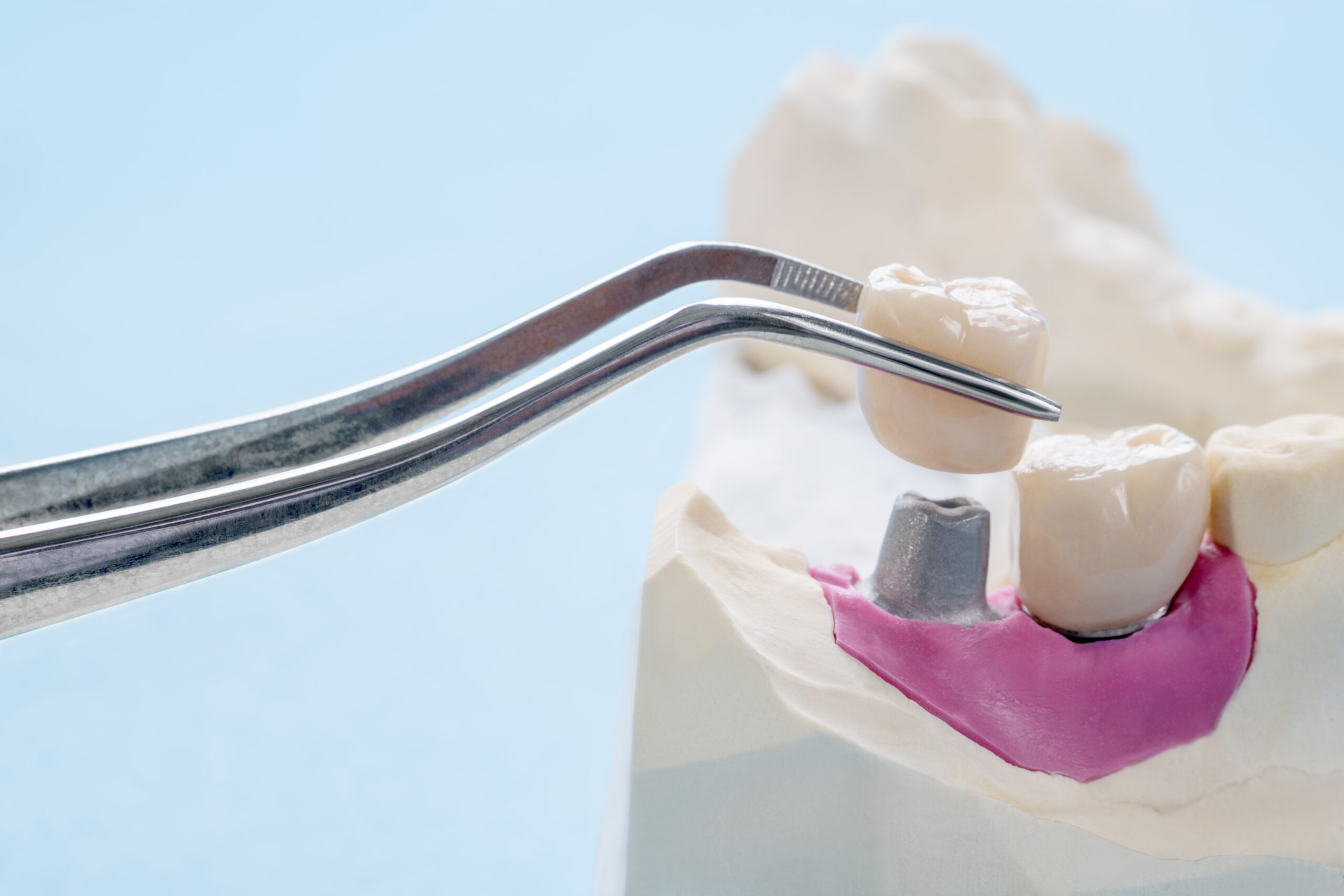
If you’re missing one or more teeth, a dental fixed bridge is one of the most common options to restore both your bite and smile. The price you’ll pay in Saudi Arabia isn’t a single fixed number — it depends on the type of bridge, the material used, how many teeth you’re replacing, and the clinic you choose. This guide walks through each of those factors, plus how a bridge compares to an implant, so you can have an informed conversation with your dentist before you commit to a treatment plan.
What Is a Dental Bridge?
A dental bridge is a fixed appliance that “bridges” the gap left by one or more missing teeth. It’s made up of two main parts: abutments (the crowns or connectors that anchor the bridge to your natural teeth or to dental implants) and pontics (the artificial teeth that fill the gap). Once cemented in place, only a dentist can remove it — which is why bridges are sometimes called “fixed partial dentures.¹³
The Main Types of Dental Bridges
Your dentist will recommend a type based on how many teeth are missing and the condition of the teeth around the gap:
- Traditional bridge – the most common type. Crowns are placed on the natural teeth on both sides of the gap, with artificial teeth in between.
- Cantilever bridge – anchored to a natural tooth on only one side of the gap, used when there’s a healthy tooth on just one end.
- Maryland bridge – uses metal or porcelain wings bonded to the back of neighboring teeth instead of full crowns; usually reserved for front teeth.
- Implant-supported bridge – rests on dental implants instead of natural teeth, and is typically used when three or more teeth in a row are missing.¹
What Affects Dental Bridge Prices in Saudi Arabia
Several factors combine to determine your final quote:
- Bridge type – a traditional or cantilever bridge is generally less expensive than an implant-supported bridge, which involves a surgical step.
- Material – porcelain-fused-to-metal, all-ceramic, and zirconia bridges are priced differently based on durability and how closely they match your natural tooth shade.
- Number of teeth replaced – a single-tooth gap costs less than a bridge spanning three or four teeth.
- Condition of the abutment teeth – teeth that need a root canal or a build-up before they can support a bridge add to the overall cost.
- The clinic and dentist’s experience – an institutional clinic with a specialist prosthodontist and modern lab work will typically price differently than a smaller practice.
As a general benchmark, the American Dental Association notes that a traditional bridge can range from roughly $500 to $1,200 per unit internationally, not including the crowns that anchor it – and pricing in Saudi Arabia follows the same logic of material, complexity, and clinic.³ Because every case is different, the only way to get an accurate number for your situation is a clinical exam and X-rays, so treat any online figure as a starting point for the conversation, not a quote.
Dental Bridge vs. Dental Implant: Which Costs More Long-Term?
A bridge usually costs less upfront than an implant and doesn’t require surgery, which is why many patients start there. But the comparison changes over time: dental implants tend to last 15 years or longer with a high long-term success rate, while a bridge typically needs replacing every 5 to 15 years depending on how well it’s cared for. Bridges also rely on your neighboring teeth for support, which can mean more wear on those teeth over time, whereas an implant stands on its own and doesn’t touch the teeth next to it.²³
If you’re weighing both options, it’s worth reading our separate guide on what affects the cost of dental implants before deciding — in some cases, especially when several teeth in a row are missing, an implant-supported solution can work out to be the more practical long-term choice.
What to Expect During the Procedure
For a traditional or cantilever bridge, your dentist will numb the area, reshape the abutment teeth, and take impressions that are sent to a dental lab. You’ll wear a temporary bridge for two to four weeks while your final bridge is made, then return for a second visit to have it checked and permanently cemented. An implant-supported bridge takes longer overall, since the implants need three to six months to fuse with the jawbone (a process called osseointegration) before the bridge itself can be attached.¹
If you’re not sure whether your case needs implants first, our guide to the different types of dental implants breaks down when each approach makes sense.
Is a Dental Bridge Painful?
Getting a bridge shouldn’t hurt – your dentist numbs the area with local anesthesia before reshaping any teeth. Mild sensitivity for a few days afterward is normal and usually manageable with an over-the-counter pain reliever.
Caring for Your Bridge So It Lasts
A bridge is only as strong as the teeth or implants supporting it, so daily care matters:
- Brush twice a day with a non-abrasive fluoride toothpaste.
- Clean underneath the bridge every day using floss threaders or interdental brushes – plaque left under a bridge is a common cause of early failure.
- Avoid biting down on ice, pens, or very hard or sticky foods.
- Keep up with regular dental check-ups so your dentist can catch a loose or cracked bridge early.¹
Why Patients in Jeddah Choose Tam Dental for Restorative Work
Tam Dental is an institutional dental practice in Jeddah with over 15 years of experience and a prosthodontics team trained at institutions including Rutgers and Boston University. Every bridge case starts with a full clinical assessment — including the condition of your abutment teeth and, where relevant, your bone health — so you get a treatment plan and a real cost estimate built around your mouth, not a generic price list. If you’d like to know where you stand, you can book an online consultation (with a discount for online bookings), call the clinic directly, or visit in person.
New to Jeddah and not sure where to start? Our dentist in Jeddah guide for expats covers what to expect from your first visit, and our guide to veneers is a good next read if your main concern is a front-tooth gap rather than back-tooth chewing function.
Frequently Asked Questions
How much does a dental bridge cost in Saudi Arabia?
It depends on the bridge type, material, and how many teeth you’re replacing. As an international benchmark, a traditional bridge typically runs from about $500 to $1,200 (SAR 1,880–4,500) per unit, not including the supporting crowns – your dentist can give you an exact figure after an exam.³
How long does a dental bridge last?
On average, 5 to 15 years, and sometimes longer with good daily care and regular dental visits.¹
Is a dental bridge painful?
No – the procedure is done under local anesthesia, though mild sensitivity for a few days afterward is normal.¹
Which is better, a bridge or a dental implant?
Both replace missing teeth well. Implants tend to last longer and don’t affect the neighboring teeth, but they cost more upfront and take months to complete. Bridges are faster and cheaper initially but usually need replacing sooner. Your dentist can advise based on your bone health, budget, and how many teeth are missing.²³
Is a dental bridge removable?
A traditional fixed bridge is cemented in place and can only be removed by a dentist. It’s different from a removable partial denture, which you take out yourself.¹³
Does getting a bridge require a root canal first?
Not always. It’s only needed if the abutment tooth supporting the bridge has decay or damage that affects the nerve — your dentist will check this during your exam.
How many teeth can one bridge replace?
Most bridges replace one to three teeth in a row; some can extend to four if the supporting teeth are strong enough on both sides of the gap.¹
Sources
- Cleveland Clinic – Dental Bridges: Types & Who Needs Them – https://my.clevelandclinic.org/health/treatments/10921-dental-bridges
- Healthline (medically reviewed by Rooz Khosravi, DMD, PhD, MSD) – Dental Implant vs. Bridge: Pros, Cons, and Which to Choose – https://www.healthline.com/health/implant-vs-bridge
- American Dental Association – MouthHealthy: Bridges – https://www.mouthhealthy.org/all-topics-a-z/bridges