A healthy mouth is far more than an attractive smile. Research published by the American Dental Association and the National Institutes of Health consistently shows that oral health is deeply connected to your overall health — with untreated gum disease linked to heart disease, diabetes, and systemic inflammation. Yet for many adults in Jeddah, whether Saudi nationals, residents, or expats, daily oral care routines are either incomplete or built on outdated habits.
This guide brings together the best oral care tips and the most practical oral health tips for adults, drawing on current clinical evidence and the expertise of Tam Dental’s internationally trained specialists. If you want to take care of your teeth and gums — and keep them healthy for decades — read on.
Why Oral Health Matters More Than You Think
Most people assume that oral health simply means avoiding toothache and keeping their smile looking good. The reality is more profound. Your mouth is the gateway to your digestive and respiratory tracts, and the bacteria that thrive there — when not managed properly — can travel to other parts of the body.
According to the NHS and Mayo Clinic, poor oral hygiene has been associated with:
- Heart disease and endocarditis — bacteria from the mouth entering the bloodstream
- Pregnancy complications — gum disease is linked to premature birth and low birth weight
- Pneumonia — bacteria inhaled from the mouth into the lungs
- Diabetes — gum disease makes blood sugar harder to control
- Dry mouth — certain medications reduce saliva, which is essential for protecting tooth enamel
Taking care of your teeth and gums is therefore an investment in your full-body health — not just your dental appearance.
The Foundation: Daily Oral Hygiene Habits
1. Brush Twice a Day — the Right Way
Brushing your teeth twice a day remains the cornerstone of good oral hygiene. However, technique matters as much as frequency. Use a soft-bristled toothbrush and fluoride toothpaste. Hold the brush at a 45-degree angle to your gums and use gentle, circular motions rather than harsh back-and-forth scrubbing, which can damage your tooth enamel and lead to gum recession over time.
Replace your toothbrush every three months, or sooner if the bristles become frayed. An electric toothbrush with an oscillating or sonic head can be more effective for adults who struggle with consistent technique.
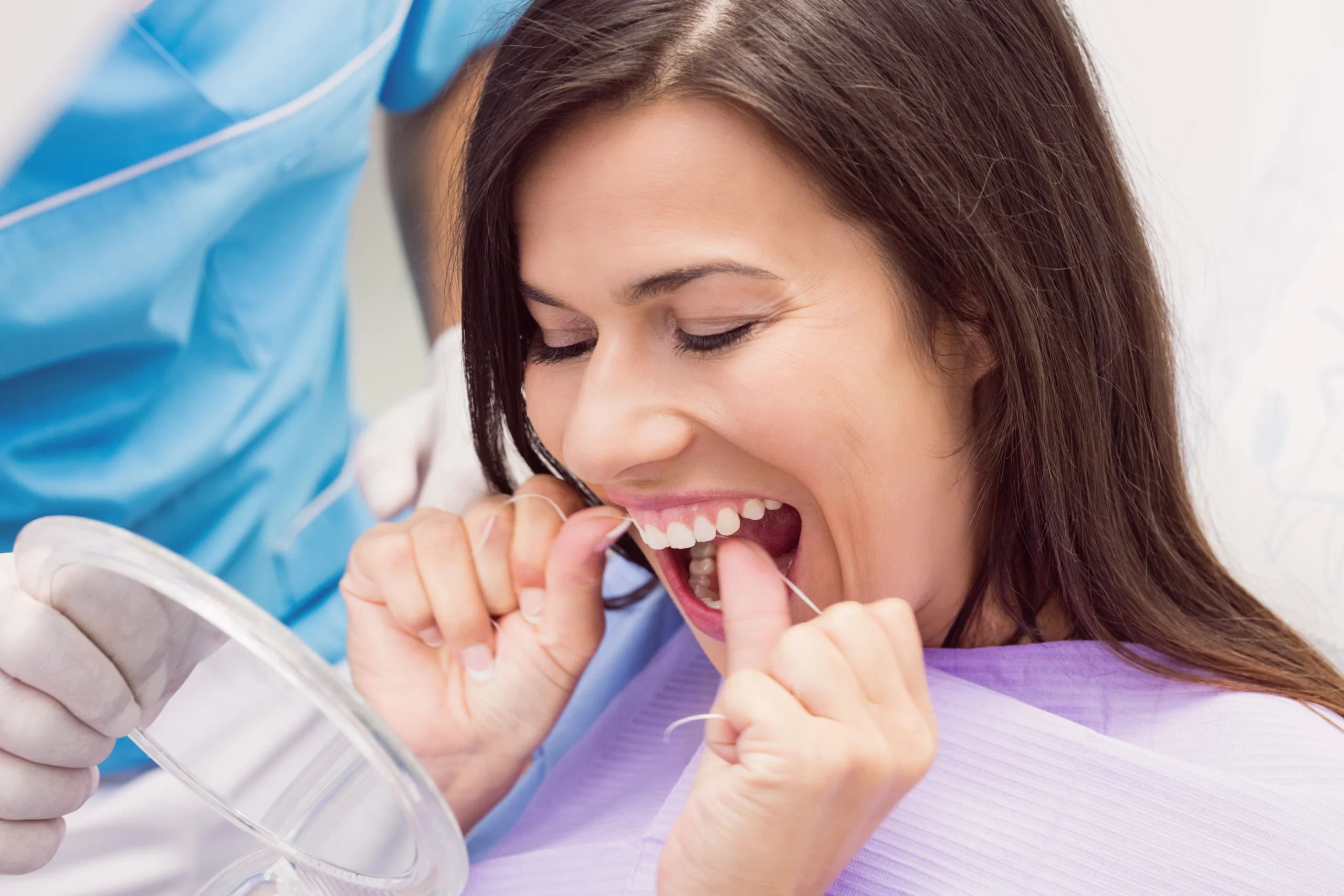
2. Floss Daily — No Exceptions
Brushing only cleans around 60% of tooth surfaces. Dental floss reaches the tight spaces between teeth where food particles and plaque accumulate. Skipping this step is one of the most common reasons adults develop gum disease and interdental cavities even when they brush regularly.
If traditional dental floss is uncomfortable, interdental brushes or water flossers are excellent alternatives. The goal is to remove food and disrupt the bacterial biofilm between every tooth, every day.
3. Use Fluoride Toothpaste
Fluoride toothpaste is the most evidence-backed tool for preventing tooth decay in adults and children alike. Fluoride strengthens tooth enamel by remineralising early-stage damage and making teeth more resistant to the acids produced by bacteria in your mouth. Both the NHS and the American Dental Association recommend fluoride toothpaste for all adults. Avoid rinsing with water immediately after brushing — spit rather than rinse to allow the fluoride to remain on your teeth longer.
4. Clean Your Tongue
Your tongue harbours a significant volume of bacteria and is one of the primary causes of bad breath. Use a tongue scraper or the reverse side of your toothbrush to gently clean your tongue each morning. This simple step reduces bacterial load and noticeably freshens your breath.
5. Use Mouthwash Wisely
An antibacterial or fluoride mouthwash adds another layer of protection, particularly for patients prone to gum disease or with orthodontic appliances. Use it as a separate step from brushing — not as a replacement. Mouthwash reaches areas that brushing and flossing might miss, helping to maintain a healthy mouth environment throughout the day.
Diet and Oral Health: What You Eat Shapes Your Smile
Your diet has a direct and significant impact on the health of your teeth and gums. Here are the most important dietary habits to build and avoid:
Eat More Of:
- Water — especially fluoridated water; it washes away food particles and reduces acidity in the mouth
- Dairy products — cheese, yoghurt, and milk are rich in calcium and casein, which protect tooth enamel
- Crunchy vegetables and fruits — carrots, celery, and apples stimulate saliva production and naturally scrub teeth
- Leafy greens — high in calcium and folic acid, supporting gum health and overall oral health
- Nuts and lean proteins — phosphorus in nuts and meat helps remineralise teeth
Limit or Avoid:
- Sugary foods and drinks — sugar feeds the bacteria that produce enamel-eroding acids
- Carbonated drinks — even sugar-free versions contain carbonic acid that softens tooth enamel
- Sticky sweets and dried fruit — these cling to teeth for longer, prolonging acid attacks
- Excessive coffee and tea — these stain teeth and can dry mouth, reducing the protective effects of saliva
- Smoking and tobacco — one of the leading causes of gum disease, tooth loss, and oral cancer
Drinking water after meals and waiting at least 30 minutes before brushing after acidic foods helps protect enamel from abrasion.
The Role of Regular Dental Check-Ups
Even the most disciplined home oral hygiene routine cannot replace professional dental care. Most dental associations, including the American Dental Association and the Saudi Ministry of Health, recommend visiting your dentist at least twice a year for routine cleanings and examinations.
At a regular dental visit, your dentist will:
- Perform a thorough examination of your teeth, gums, and soft tissues
- Check for early signs of cavities, gum disease, and oral cancer
- Take diagnostic X-rays to identify issues not visible to the naked eye
- Remove plaque and tartar (hardened plaque) that brushing at home cannot clear
- Advise on personalised oral care practices based on your specific oral health profile
Catching problems early is always less invasive and less costly than treating advanced disease. A tooth that needs a filling today could need a root canal tomorrow if left unaddressed.
Oral Health Tips for Adults: Addressing Common Concerns
Gum Disease — The Silent Threat
Gum disease (periodontal disease) begins as gingivitis — redness, swelling, and bleeding when you brush. Left untreated, it progresses to periodontitis, which can lead to bone loss and eventually tooth loss. Adults over 35 are especially vulnerable. The best prevention is consistent brushing, flossing, professional cleanings, and quitting smoking.
Tam Dental’s periodontic specialists include Dr. Hani Mawardi, a consultant in periodontics and oral medicine trained at Harvard University, USA, and Dr. Amal Jamjoom, a consultant in periodontics and implant dentistry from New York State University at Buffalo, USA. If you notice bleeding gums or persistent bad breath, a consultation with a periodontist can make a transformative difference.
Sensitivity and Tooth Enamel Erosion
Tooth sensitivity is increasingly common among adults, often the result of enamel erosion, gum recession, or exposed dentinal tubules. Using a soft-bristled toothbrush, fluoride toothpaste formulated for sensitive teeth, and avoiding highly acidic foods can help. If sensitivity is severe or persistent, it may indicate a deeper issue such as a cracked tooth or early cavities that requires professional assessment.
Dry Mouth
Dry mouth reduces saliva flow, which is essential for neutralising acids, washing away food, and protecting tooth enamel. It is a common side effect of many medications, including antihistamines, antidepressants, and blood pressure drugs. Staying well hydrated, chewing sugar-free gum, and using saliva-substitute products can help. Let your dentist know if you suffer from dry mouth, as it significantly increases your risk for cavities and gum disease.
Teeth Grinding (Bruxism)
Many adults grind their teeth during sleep without realising it. Over time, bruxism wears down tooth enamel, causes jaw pain, and can lead to cracks and fractures. A custom night guard from your dentist can protect your teeth effectively. Stress management techniques also play a role, since stress is a primary trigger.
Why Choose Tam Dental for Your Oral Health in Jeddah?
Tam Dental is Jeddah’s premium dental clinic, combining internationally credentialed specialists, the latest dental technologies, and a patient-centred philosophy to deliver exceptional outcomes across all dental specialties.
A Team Trained at the World’s Best Universities
Tam Dental’s clinical team holds advanced qualifications from Harvard, Boston University, the University of Pennsylvania, New York University, the University of Toronto, King’s College London, the University of Leeds, and the Royal College of Surgeons of Edinburgh — alongside Saudi and American Board certifications in every specialty.
This means that whether you need endodontic treatment, implants, orthodontics, periodontics, cosmetic dentistry, or paediatric care, you are seen by a consultant-level specialist with the credentials to match.
Advanced Technology for Precise, Comfortable Care
Tam Dental invests continuously in the latest advancements in dentistry — from digital imaging and 3D planning to dental microscopes for root canal procedures and computer-guided anesthesia. These technologies are not cosmetic enhancements: they meaningfully improve diagnostic accuracy, treatment precision, and patient comfort.
All Specialties Under One Roof
From a child’s first dental visit to complex implant cases, Tam Dental provides comprehensive care within a single premium location. This eliminates the need for cross-town referrals and ensures a consistent standard of excellence throughout your treatment journey.
A Welcoming Environment for Every Patient
Dental anxiety is common among adults. Tam Dental’s clinics are designed with patient comfort in mind — calm, modern spaces, gentle techniques, and a team that takes the time to explain every step. Our doctors genuinely believe that informed patients are empowered patients.
Book Your Appointment at Tam Dental Today
Your smile deserves world-class care. Whether you need a routine check-up, a full oral health assessment, or any specialist treatment, our team at Tam Dental is ready to help you achieve and maintain exceptional oral health.
- Ash Shati District, Sari St. Branch — Jeddah 23415, Saudi Arabia
- King Abdul Aziz Rd, Ash Shati — Jeddah 23412, Saudi Arabia
- +966 920033363
- info@tamdental.sa
- tamdental.sa/en/contact-us/
Frequently Asked Questions About Oral Health
How often should adults visit the dentist?
Most adults should visit the dentist every six months for a routine check-up and professional cleaning. Some patients — such as those with a history of gum disease, high cavity risk, or diabetes — may benefit from more frequent visits every three to four months. Your dentist will advise the right schedule for your individual needs.
What are the best oral care tips for adults to prevent gum disease?
The most effective habits are: brushing twice daily with fluoride toothpaste using a soft-bristled toothbrush, flossing every day, using an antibacterial mouthwash, quitting smoking, maintaining a low-sugar diet, and attending regular professional cleanings. Catching and treating gingivitis early prevents it from progressing to more serious periodontitis.
Is bleeding when brushing normal?
Light bleeding when you first begin flossing regularly may resolve within a week or two as gum health improves. However, persistent or frequent bleeding when you brush or floss is usually a sign of gingivitis (early gum disease) and warrants a dental visit. It should never be ignored or considered normal in an otherwise healthy adult.
How can I protect my tooth enamel?
Use fluoride toothpaste, avoid brushing immediately after consuming acidic foods or drinks (wait at least 30 minutes), drink water rather than acidic beverages, use a soft-bristled toothbrush with gentle technique, and ask your dentist about fluoride treatments or protective sealants if you are at higher risk of enamel erosion.
What is the connection between oral health and overall health?
Poor oral health — particularly untreated gum disease — has been linked to an increased risk of cardiovascular disease, diabetes complications, respiratory infections, and adverse pregnancy outcomes. Saliva and the oral microbiome play a critical role in whole-body health. Maintaining good oral hygiene and attending regular dental check-ups are not just cosmetic choices; they are genuine contributions to your long-term wellbeing.
Sources & References
- American Dental Association (ADA): ada.org — Oral health recommendations for adults
- National Institutes of Health (NIH): nih.gov — Oral health research and evidence
- NHS (UK): nhs.uk/live-well/healthy-teeth-and-gums/ — Oral hygiene guidelines
- Mayo Clinic: mayoclinic.org — Oral health: A window to your overall health
- Saudi Ministry of Health: moh.gov.sa — National oral health programme
- Saudi Commission for Health Specialties: scfhs.org.sa — Dental specialist certifications