Losing several teeth — or all of them — doesn’t have to mean giving up on chewing comfortably or smiling with confidence. Dentures remain one of the most common ways to replace missing teeth, and the price you’re quoted in Saudi Arabia will depend on the type of denture, the materials used, and whether it’s supported by implants. Here’s what actually goes into that number, so you know what to ask about at your next dental visit.
What Are Dentures?
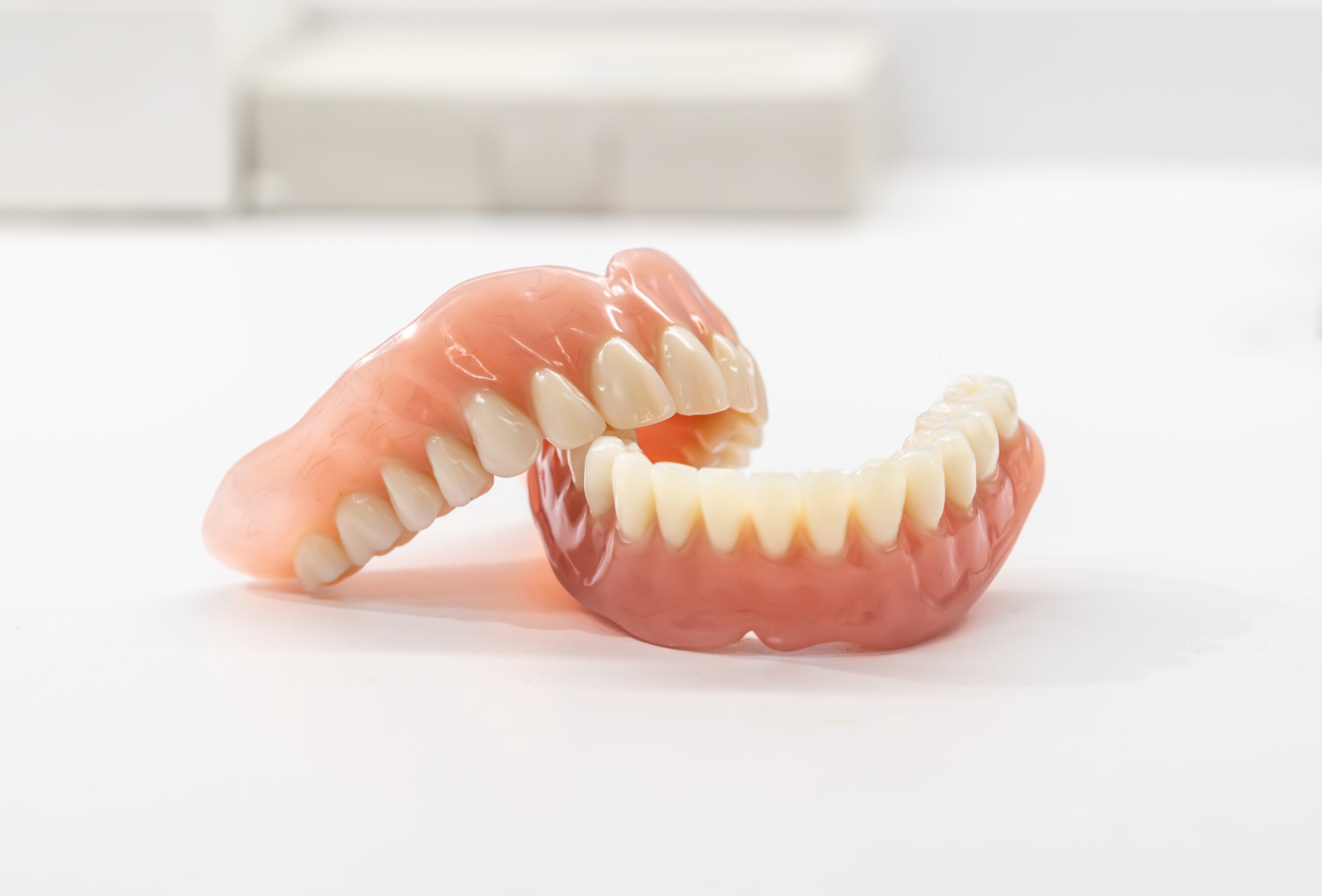
Dentures are removable oral appliances that replace missing teeth in your upper jaw, lower jaw, or both. They’re custom-made from materials like acrylic, resin, nylon, metal and porcelain, and with proper care they typically last seven to ten years before they need replacing.¹
The Main Types of Dentures
Your dentist will recommend a type based on how many teeth you’re missing and your goals:
- Full (complete) dentures – replace an entire arch of teeth and rest on your gums and jaw ridge.
- Partial dentures – replace several missing teeth and clasp onto your remaining natural teeth for extra stability.
- Immediate dentures – fitted the same day your teeth are extracted, so you’re never without teeth while you heal.
- Implant-retained (“snap-in”) dentures – clip onto dental implants for a more secure fit, without needing denture adhesive.
- Implant-supported dentures – a non-removable option that’s permanently secured to implants; only your dentist can take it out.¹
What Affects Denture Prices in Saudi Arabia
A handful of factors combine to set your final price:
- Type of denture – full dentures, partial dentures, and implant-supported dentures are priced very differently because of the materials and lab work involved.
- Number of teeth replaced – a partial denture for a few missing teeth costs less than a complete arch.
- Implant support – adding implants to secure a denture increases the cost but also improves stability and how long it lasts.
- Materials – acrylic, resin, nylon, and metal-based frameworks all carry different price points and durability.
- Number of adjustment visits – it usually takes a few follow-up appointments to get the fit right, and that’s part of the overall treatment.²
As a general international benchmark, the American Dental Association reports that a complete set of upper dentures averages a little over $1,600, with lower dentures priced similarly² — figures like this are a useful starting point, not a quote. The only way to know your real cost in Jeddah is a clinical exam, since jawbone condition and the number of remaining teeth change the treatment plan.
Dentures vs. Dental Implants: Which Should You Choose?
Dentures cost less upfront and don’t require surgery, which makes them accessible even if you’ve lost significant bone density. Dental implants cost more to start and involve a surgical step, but they can last two decades or longer with proper care, and they don’t need the daily removal and soaking that traditional dentures do.²
If keeping all your natural bone health and long-term stability is the priority, it’s worth reading our guide on what affects the cost of dental implants before deciding — and if you’re missing most or all of your teeth in one arch, an implant-supported full-arch solution is often a more stable long-term alternative to a removable denture.
What to Expect at a Denture Consultation
Your dentist will examine your mouth, jaws, gums and any remaining teeth, and take X-rays to check your jawbone. From there, they’ll walk you through which type of denture fits your situation, how many teeth you’re missing, and whether you’d prefer a removable or non-removable option. Making the denture itself takes several steps — impressions, a wax try-in to check the fit of the artificial teeth, and a final polish — and it usually takes a few office visits before the fit feels right.
Not sure whether implants make more sense for your case? Our guide to the different types of dental implants breaks down when each approach is the better fit.
Living With New Dentures
It’s normal for new dentures to feel a little loose or awkward for the first few weeks while your cheek and tongue muscles learn to hold them in place, and mild soreness during this adjustment period is common. To keep your dentures in good shape:
- Remove and clean them daily with a denture brush and non-abrasive cleanser.
- Soak them overnight in water or a denture-cleaning solution — never leave them dry.
- Brush your gums, tongue and any remaining teeth every morning before putting your dentures back in.
- Book a reline every one to two years, or sooner if the fit starts to feel off.¹
Why Patients in Jeddah Choose Tam Dental for Dentures
Tam Dental is an institutional dental practice in Jeddah with over 15 years of experience and a prosthodontics team trained at institutions including Rutgers and Boston University. Every denture case starts with a full exam of your jawbone, gums and remaining teeth, so the plan — and the price — is built around your mouth rather than a generic package. You can book an online consultation (with a discount for online bookings), call the clinic, or visit in person to find out where you stand.
New to Jeddah and looking for where to start? Our dentist in Jeddah guide for expats covers what to expect from your first appointment at a Saudi dental clinic.
Frequently Asked Questions
How much do dentures cost in Saudi Arabia?
It depends on the type — full, partial, or implant-supported — and the materials used. As an international benchmark, the ADA puts a complete set of upper dentures at a little over $1,600; your dentist can give you an exact figure after an exam.²
How long do dentures last?
On average, seven to ten years with proper care, though you’ll usually need a reline every one to two years as your gums and jawbone change shape.¹
Are dentures better than implants?
Neither is universally “better” — dentures cost less upfront and work even with lower bone density, while implants cost more but last longer and don’t need daily removal. Your dentist can advise based on your bone health, budget and how many teeth are missing.²
Can I sleep in my dentures?
It’s best to take them out at night. Leaving them out for at least eight hours a day gives your gums a rest, reduces bacteria, and helps protect your jawbone.¹
How long does it take to get used to new dentures?
It varies, but it typically takes a few weeks — sometimes longer — for your cheek and tongue muscles to adjust, and you may need a few follow-up visits to fine-tune the fit.¹
Do dentures need special cleaning?
Yes. Clean them daily with a denture brush and non-abrasive cleanser, and soak them in water or a denture solution overnight rather than leaving them dry.³
What’s the difference between a partial and a full denture?
A partial denture replaces several missing teeth and clips onto your remaining natural teeth for stability; a full denture replaces an entire arch and rests on your gums and jaw ridge.¹
Sources
- Cleveland Clinic – Dentures: Types, Care & What You Should Know – https://my.clevelandclinic.org/health/treatments/10900-dentures
- Healthline (medically reviewed by Rooz Khosravi, DMD, PhD, MSD) – Dentures vs. Implants: How to Choose – https://www.healthline.com/health/dentures-vs-implants
- American Dental Association – MouthHealthy: Dentures – https://www.mouthhealthy.org/all-topics-a-z/dentures