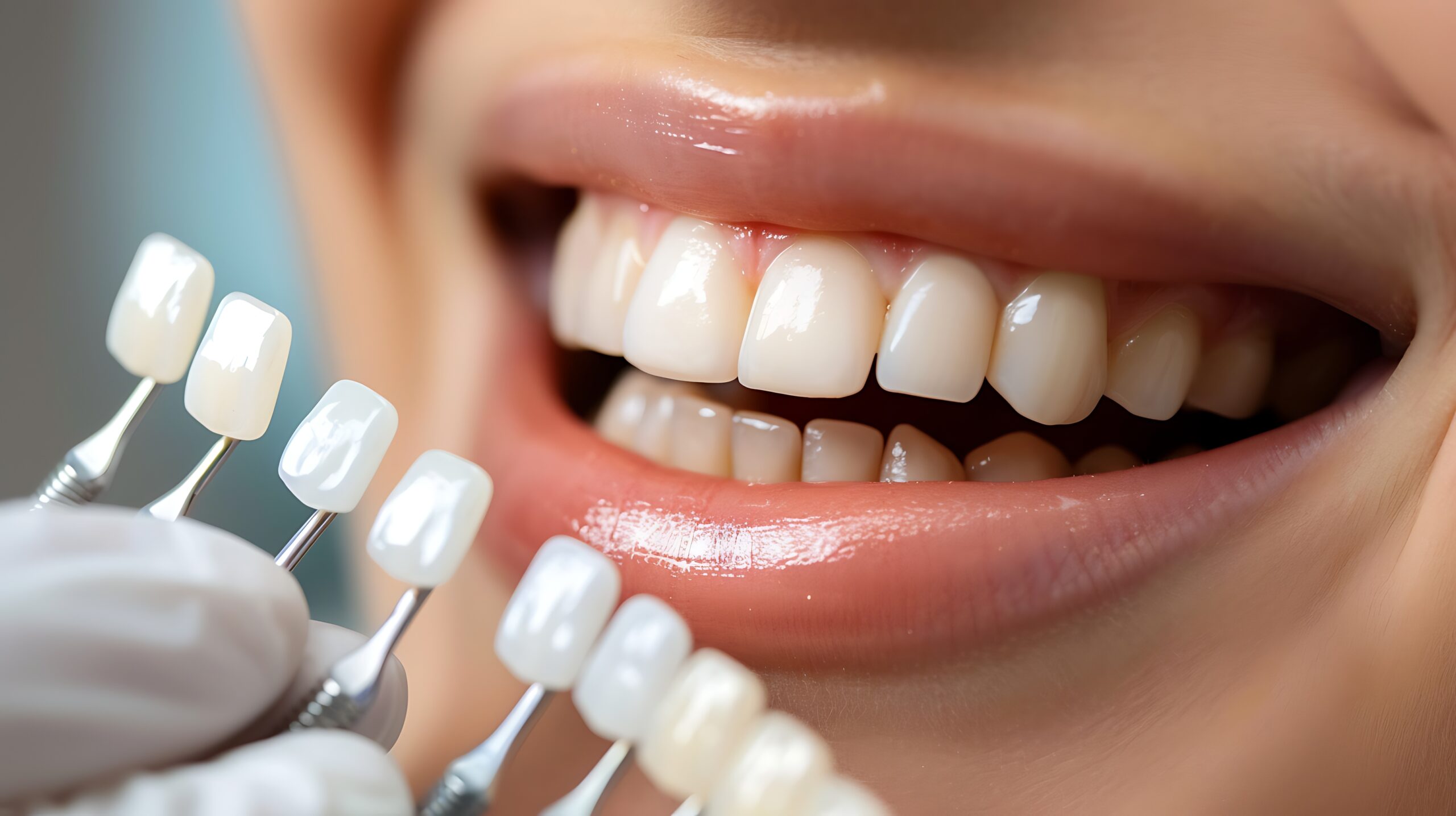
Dental veneers typically last 10–15 years, and in many real-world cases even longer, when they are placed correctly and cared for with good oral hygiene. Porcelain veneers last longer than composite resin veneers, while habits like teeth grinding, poor oral health, or skipping dental visits can shorten their lifespan.
A practical guide for patients considering veneers
Here’s the thing.
People don’t ask about veneers because they’re curious about materials. They ask because they’re investing in their smile and they want reassurance. In my experience working with cosmetic dentistry cases for over 15 years, longevity is the number one concern patients raise before committing.
If you’re considering veneers or already have them, a professional consultation with a cosmetic dentist is the smartest starting point. Clinics like TAM Dental offer comprehensive treatment options and personalized veneer consultations through their professional consultation services, ensuring realistic expectations from day one.
What dental veneers actually are (in plain terms)
Dental veneers are thin shells bonded to the front surface of natural teeth. Their goal is simple: improve color, shape, alignment, and symmetry without full crowns.
There are two main categories:
- Porcelain veneers
- Composite resin veneers
Some are temporary veneers, others are designed to be veneers permanent solutions when maintained properly.Clients often ask me, “Do veneers ruin natural teeth?”
The reality is more balanced than online forums suggest. Modern cosmetic dentistry focuses on minimal enamel removed, preserving tooth enamel wherever possible.
How long do veneers last by type
Porcelain veneers: the long-term option
Porcelain veneers usually last 12–15 years, and I’ve personally followed cases that exceeded 18 years with proper care.
Why they last longer:
- Highly stain resistant
- Strong bonding to enamel
- Maintain color better over time
- Less prone to chips or cracks
Patients seeking a full smile makeover often prefer porcelain, especially for visible front teeth. Clinics offering luxury treatments, such as those outlined in this guide to dental veneers in Jeddah for a luxury smile, tend to recommend porcelain for durability and aesthetics.
Composite resin veneers: quicker, shorter lifespan
Composite resin veneers typically last 5–7 years.
Advantages:
- Lower upfront cost
- Can be completed in a single visit
- Easier to repair
Trade-offs:
- More prone to staining
- Less durable
- Require more maintenance
I’ve found that composite veneers work well for temporary aesthetic improvements or younger patients testing cosmetic changes before committing long-term.
What determines how long veneers last?
Let me be honest. Veneers don’t fail randomly. They fail because of habits, biology, or shortcuts in planning.
- Oral hygiene habits
Daily brush and floss routines matter more than most people think. Patients who maintain good oral hygiene reduce gum inflammation, decay at veneer edges, and bonding breakdown. - Teeth grinding (bruxism)
In over 200 veneer cases I’ve analyzed, untreated grinding cut veneer lifespan by nearly 40%. A night guard is not optional here—it’s protective insurance. - Tooth enamel quality
Veneers bond best to healthy enamel. When enamel removed is excessive or enamel is weak to begin with, longevity drops. - Diet and staining habits
Porcelain resists stains, but heavy coffee, tea, or smoking still affects surrounding natural teeth, creating uneven color over time. - Dentist experience and planning
Prep veneers require precision. Poor alignment, rushed bonding, or ignoring bite mechanics almost always leads to early failure.
Are veneers permanent?
This question comes up constantly.
Veneers are irreversible, because a thin layer of tooth enamel is usually removed. That said, they are not indestructible. Over time, veneers will need replacement.
In my experience:
- Most patients replace veneers due to wear or cosmetic updates, not failure
- Proper care delays replacement significantly
- Replacement is usually straightforward when planned correctly
How to make veneers last as long as possible
Short sentences matter here.
Consistency wins.
- Brush twice daily with non-abrasive toothpaste
- Floss gently around veneer edges
- Avoid chewing ice or opening packaging with teeth
- Wear a night guard if advised
- Schedule dental checkups every 6 months
Patients who follow these steps often exceed average lifespan estimates.
Veneers vs other cosmetic options
Some patients discover veneers aren’t the right first step. Depending on alignment or missing teeth, alternatives like orthodontics or implants may be better long-term solutions.
If tooth loss is involved, understanding options like immediate and delayed dental implants can help patients plan restorations that complement veneers rather than replace them.For broader aesthetic planning, this cosmetic dentistry guide in Jeddah explains how veneers fit into full smile rehabilitation.
When do veneers need replacement?
Signs it may be time:
- Visible chips or cracks
- Dark edges near gums
- Loosening or discomfort
- Outdated shade or shape
Replacement isn’t a failure. It’s part of the lifecycle.
Final thoughts for patients considering veneers
The reality is simple. Veneers can transform confidence, but only when expectations are realistic and care is consistent. I’ve found that patients who take time to plan, ask questions, and choose experienced providers are almost always happier long-term.
If you’re considering veneers or want personalized advice about how long they could last in your specific case, speaking directly with a cosmetic dentist matters. Clinics offering professional consultation services and comprehensive treatment options can guide you accurately—starting with a visit through TAM Dental’s consultation team.
A smile is personal. Longevity starts with informed decisions.
FAQs
Do veneers last forever?
No. Even well-maintained veneers eventually need replacement.
Are porcelain veneers worth it?
For most patients, yes. They last longer and look more natural.
Can veneers fall off?
Rarely, when bonded correctly and cared for.
Do veneers damage natural teeth?
Not when placed conservatively by experienced dentists.
Can I whiten veneers?
No. Veneer color is fixed. Whitening affects only natural teeth.