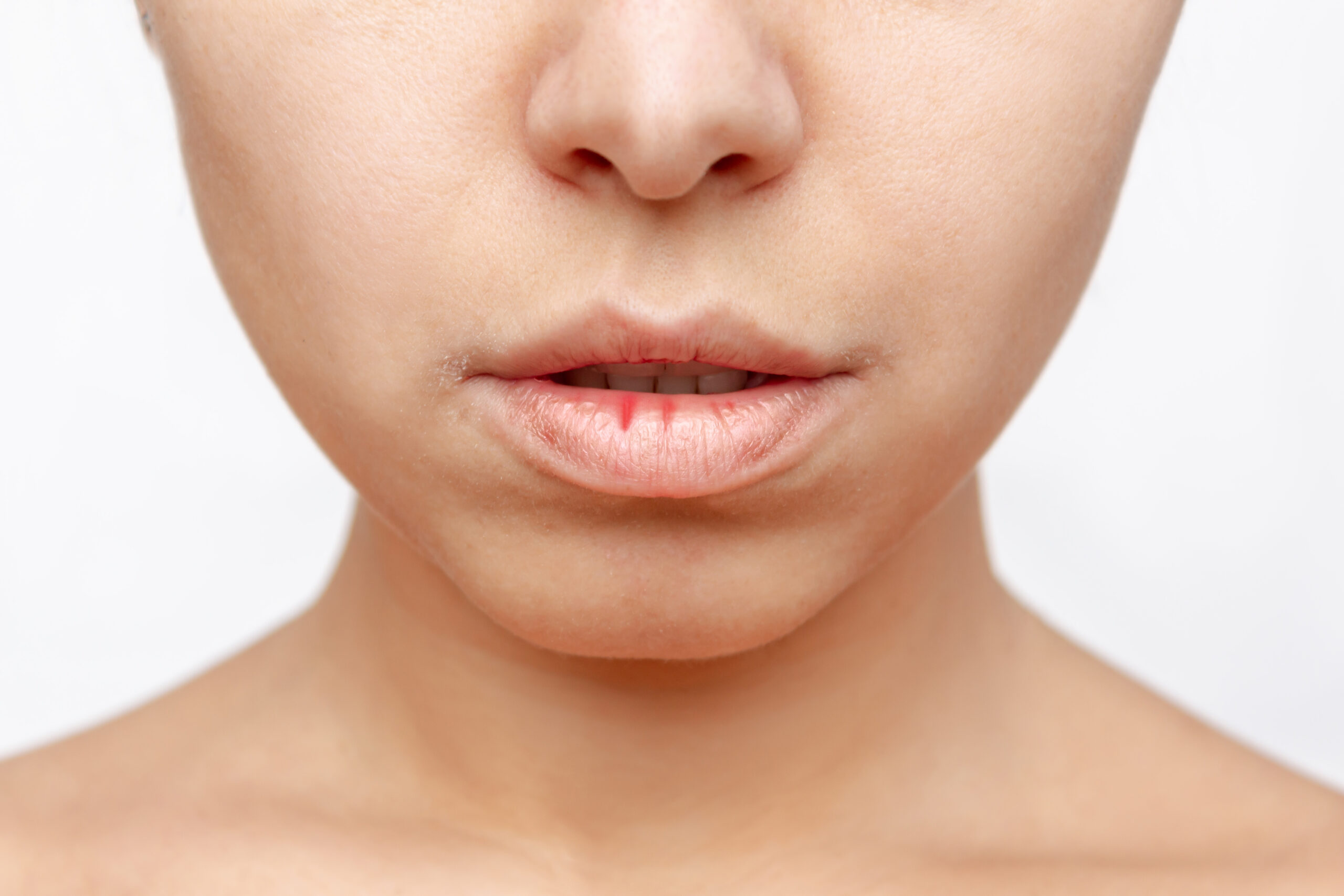
Dry mouth — clinically, xerostomia — is the feeling of not having enough saliva to keep your mouth comfortably wet. It affects around one in five people, and the risk rises with age.¹ An occasional dry spell is normal. A mouth that is dry most days, or that wakes you at night, usually has a specific cause — and more often than not, that cause is a medication you are already taking.
Why is my mouth so dry?
Your mouth is dry because your salivary glands are producing less saliva than your mouth needs. The most common reason by far is medication side effects. After that come dehydration, mouth breathing during sleep, underlying health conditions such as diabetes or Sjögren’s disease, and radiation or chemotherapy affecting the head and neck.¹ ² Identifying which of these applies to you is the whole of the treatment — dry mouth is a symptom, not a disease in itself.³
Which medications cause dry mouth?
Hundreds of prescription and over-the-counter medicines reduce saliva production. If you take something regularly and your mouth has become dry, check the patient information leaflet that came with it — dry mouth is very often listed there.¹ ² The classes most frequently responsible are:
- Antidepressants — including tricyclics such as amitriptyline, one of the most commonly reported causes.¹ ²
- Antihistamines and decongestants — a frequent cause, and easy to overlook because many are bought without a prescription.¹
- Anti-anxiety medications.¹
- Blood pressure medications.¹ ²
- Anticholinergics — used for overactive bladder, urinary incontinence and COPD.¹
- Bladder-control medicines.²
- Parkinson’s disease medications.¹
- Some pain medications.¹
A note on reflux medicines: dry mouth is not among the well-established side effects of proton pump inhibitors such as esomeprazole (Nexium) or of H2 blockers, though some people do report it. If you started one of these and noticed dryness, check the leaflet and raise it with your doctor rather than assuming a link.²
Important: never stop or change a prescribed medication on your own. Speak to the doctor who prescribed it — they may be able to adjust the dose, switch you to an alternative, or move the dose to the morning so that your mouth is not dry overnight, which is when the risk to your teeth is highest.¹
What are the symptoms of dry mouth?
The hallmark symptom is a sticky feeling, as if your tongue is clinging to the roof of your mouth. Alongside it, most people notice:¹ ²
- A dry or burning feeling in the mouth or throat
- Difficulty chewing, swallowing, tasting or speaking
- Persistent bad breath
- Cracked lips and mouth sores
- A dry, rough or fissured-looking tongue
- Hoarseness or a constantly sore throat
- Trouble wearing dentures
Because saliva is what washes away the bacteria that produce odour, dry mouth and bad breath very often arrive together — our guide to bad breath treatment in Jeddah covers that overlap.
Dry mouth is a symptom of what?
Beyond medications, persistent dry mouth can point to diabetes, Sjögren’s disease (an autoimmune condition that attacks the moisture-producing glands), salivary gland inflammation or salivary stones, nerve damage from head or neck injury, stroke, or Alzheimer’s disease.¹ ² ³ It is also a standard consequence of radiation therapy to the head and neck, and chemotherapy can thicken saliva enough to feel the same.² Dry mouth is not a normal part of ageing — if it is new for you, it deserves an explanation rather than acceptance.²
Why is my mouth dry even though I drink a lot of water?
Because the problem is production, not intake. If your salivary glands are not making enough saliva, your mouth will keep feeling dry no matter how much water you drink — that is xerostomia rather than simple dehydration.¹ It is the clearest signal that the cause needs identifying, usually by reviewing your medication list and checking your salivary flow.
Why is dry mouth worse during sleep?
Saliva production naturally falls overnight, so any underlying dryness becomes more obvious. If you also breathe through your mouth — from congestion, allergies or a sleep-related breathing problem — the two compound. Night-time dryness matters more than daytime dryness because saliva is not there to neutralise acid for seven or eight hours, which makes cavities considerably more likely.¹
What helps overnight:
- Use a cool-mist humidifier in the bedroom, particularly if you mouth-breathe.¹
- Ask your doctor whether a drying medication can be taken in the morning instead of at night.¹
- Keep water by the bed and sip rather than gulp.²
- Avoid alcohol and caffeine in the evening — both are drying.¹ ²
- Treat nasal congestion, since it forces mouth breathing.
Does living in Jeddah make dry mouth worse?
The climate does not cause xerostomia, but it reliably unmasks it. Higher fluid losses through sweat, combined with long days in heavily air-conditioned buildings and cars, lower the margin you have to work with. If your saliva production is already borderline because of a medication, that combination is often what turns an occasional annoyance into a daily one. It is a reason to raise your water intake and review your medicines — not a reason to treat constant dryness as normal.
What is the treatment for dry mouth?
Treatment targets the cause. If a medication is responsible, your doctor may adjust the dose, change the timing, or switch you to an alternative. If an underlying condition is driving it, treating that condition usually improves the dryness. Alongside that, your dentist manages the consequences — because reduced saliva puts your teeth at measurably higher risk.¹ ²
Clinical options include:
- Saliva substitutes, artificial saliva, sprays, gels and rinses formulated for dry mouth.¹ ² ³
- Prescription lozenges, and saliva-stimulating medications such as pilocarpine or cevimeline where appropriate.¹
- More frequent professional cleanings and fluoride protection, matched to your raised decay risk.¹
- Choosing products carrying the ADA Seal of Acceptance, which have been tested for safe and effective relief.³
Most patients with ongoing dryness benefit from a shorter recall interval than the standard six months — our preventive dental care programme and routine dental checkups are built around exactly this kind of risk management.
What are the best home remedies for dry mouth?
There is no miracle cure, but these measures genuinely reduce symptoms and protect your teeth while the cause is being addressed:¹ ²
- Drink water steadily — roughly 2 to 3 litres a day, sipped rather than taken in large amounts at once.²
- Chew sugar-free gum or suck sugar-free sweets to stimulate saliva; xylitol options may also help against cavities.²
- Sip water with meals to make chewing and swallowing easier.²
- Cut back on caffeine, alcohol, carbonated drinks and tobacco — all are drying.¹ ²
- Go easy on spicy, salty, acidic and very dry foods, which sting a dry mouth.²
- Keep lip balm to hand for cracked lips.¹
- Brush twice daily with fluoride toothpaste and floss — without saliva your margin for error is smaller.
If your toothpaste seems to make things worse, that is worth mentioning to your dentist: strongly flavoured or sodium lauryl sulfate–containing pastes can irritate an already dry mouth, and a milder formulation often helps.
What happens if dry mouth is left untreated?
Saliva washes away debris, neutralises acid, and carries the calcium and phosphate that keep enamel strong. Without enough of it, problems build steadily. Untreated chronic dry mouth raises the risk of:¹
- Tooth decay — often fast-moving, and in unusual places such as along the gumline
- Gum disease
- Mouth ulcers and cracked lips
- Oral thrush, a fungal infection
- Difficulty wearing dentures comfortably
If your gums already bleed or have started to recede, dryness will accelerate it — see our gum treatment options in Jeddah. And if cold or sweet foods have begun to hurt, that sensitivity commonly travels with dry mouth; our guide to sensitive teeth treatment explains the connection.
When should you see a dentist about dry mouth?
Book an appointment if dryness has lasted more than two weeks, does not improve with hydration, disturbs your sleep, or comes with mouth sores, a burning tongue, difficulty swallowing or new sensitivity. Early assessment is quick, and it prevents the decay that makes late-stage dry mouth expensive to put right.¹ ²
Dry mouth care at Tam Dental, Jeddah
Tam Dental is an institutional dental practice in Jeddah with more than 15 years of experience and consultants trained at Harvard, Boston University, NYU, Toronto, King’s College London and the Royal College of Surgeons of Edinburgh. Our team works in English as well as Arabic — which matters when you are describing symptoms precisely and going through a medication list line by line.
A dry mouth appointment covers an examination of your tongue, cheeks and salivary glands, an assessment of saliva flow, a full review of everything you take, and a decay and gum-health check, since dryness rarely arrives alone. You leave with a written plan: the likely cause, the products worth using, and a recall interval matched to your actual risk. Where the cause looks medical rather than dental, we say so and tell you what to raise with your physician.
You can book an online consultation (with a discount for online bookings), call the clinic, or visit in person. New to the city? Our guide to finding a dentist in Jeddah as an expat walks through what a first appointment here looks like.
Frequently Asked Questions
Why is my mouth so dry?
Because your salivary glands are producing less saliva than your mouth needs. Medication side effects are the most common reason, followed by dehydration, mouth breathing at night, and conditions such as diabetes or Sjögren’s disease. If it persists beyond a couple of weeks, have it assessed.¹ ²
Can amitriptyline cause dry mouth?
Yes. Amitriptyline is a tricyclic antidepressant, and dry mouth is one of its commonly reported side effects.¹ ² Do not stop taking it on your own — speak to your prescriber, who may adjust the dose, change the timing, or consider an alternative.
Can antihistamines cause dry mouth?
Yes, and they are among the most frequent causes precisely because many are bought over the counter without a second thought. Decongestants have the same effect. If you take them seasonally, you may notice dryness follows the same pattern.¹
Can Nexium cause dry mouth?
Dry mouth is not among the well-established side effects of esomeprazole (Nexium) or other proton pump inhibitors, though some people report it. Check the patient leaflet that came with your medicine and raise it with your doctor rather than assuming a link.²
Does toothpaste cause dry mouth?
Toothpaste does not cause xerostomia, but strongly flavoured pastes or those containing sodium lauryl sulfate can irritate a mouth that is already dry and make the sensation worse. Switching to a milder formulation often helps — your dentist can recommend one.
Why do you get dry mouth?
Saliva production drops for a specific reason: a medication, dehydration, mouth breathing, an underlying condition, or damage to the salivary glands from radiation or chemotherapy. Finding which one applies is the point of the appointment.¹ ²
Why is my mouth dry even after drinking water?
Because the issue is production rather than intake. If the glands are not making enough saliva, hydration alone will not resolve the feeling — that is xerostomia, and the cause needs identifying.¹
Can dry mouth cause bad breath?
Yes. Saliva washes away the bacteria and food debris responsible for odour, so reduced saliva commonly produces persistent bad breath — often the symptom people notice first.¹ ³
Does dry mouth go away?
Often, yes — especially when a medication is responsible and can be adjusted or switched. In other cases it is managed rather than cured, using saliva substitutes and stimulants alongside closer dental monitoring to keep decay risk under control.¹
Sources
- Cleveland Clinic — Dry Mouth (Xerostomia): Causes, Symptoms & Treatment — https://my.clevelandclinic.org/health/diseases/10902-dry-mouth-xerostomia
- National Institute of Dental and Craniofacial Research (NIH) — Dry Mouth — https://www.nidcr.nih.gov/health-info/dry-mouth
- American Dental Association, MouthHealthy — Dry Mouth — https://www.mouthhealthy.org/all-topics-a-z/dry-mouth/